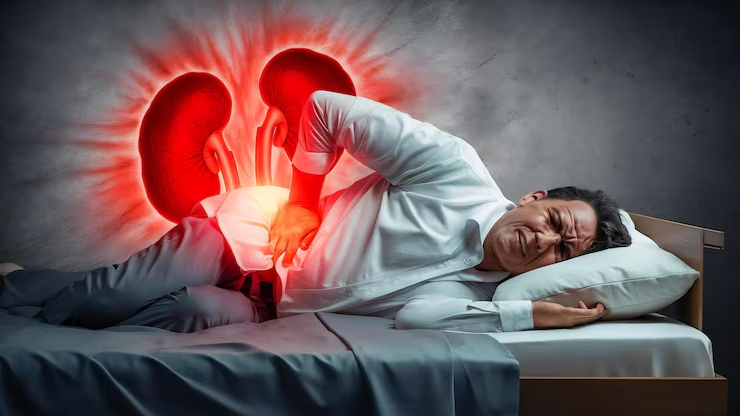

Every year, kidney stones, a frequent and excruciating urological ailment, afflict millions of people worldwide. Kidney stones, which are frequently referred to as one of the most excruciating forms of pain, develop when specific chemicals in the urine crystallise and unite to create hard deposits. It is crucial to comprehend kidney stone symptoms in order to recognise them early, treat them effectively, and avoid problems.
We will examine kidney stone causes, types, symptoms, phases, and diagnostic techniques in this comprehensive post. We’ll also discuss the distinction between mild and severe symptoms, when to seek emergency medical attention, and how early detection might lower the chance of significant kidney damage.
Why Do People Get Kidney Stones?
Renal calculi, the medical word for kidney stones, are solid masses composed of crystals that start in the kidneys. These stones may pass through the urinary tract or remain in the kidney. They can be passed naturally or may need medical assistance, depending on their position and size.
The following are the most prevalent kinds of kidney stones:
Calcium stones are the most prevalent.
Stones of uric acid
Stones of struvite
Stones made of cystine
Each type may result in slightly varied symptom patterns and has distinct reasons.
The Value of Early Identification
In their early stages, kidney stones don’t often create symptoms. Small stones may develop and show no symptoms for some time. However, severe symptoms frequently appear unexpectedly as the stone moves or gets big enough to block the urinary tract. In order to manage the illness without problems, early symptom recognition can be crucial.
The Most Typical Signs of Kidney Stones
Depending on the size and location of the stone, kidney stone symptoms might differ greatly. Nonetheless, some distinguishing characteristics are well known:
1. Severe Renal Colic Pain
Sharp, cramping pain in the side and back that frequently spreads to the groyne and lower abdomen is one of the most well-known symptoms. Usually, the pain varies in severity and comes in waves. It frequently needs emergency care since it is so severe.
2. Urinating Causes Pain
Urinating may become painful or give a burning feeling if the stone descends into the bladder or urethra. A urinary tract infection (UTI) is often confused with this.
3. Hematuria, or blood in the urine
Urine that is pink, crimson, or brown—a sign that the stone has inflamed or injured the lining of the urinary tract—is seen by many patients. A healthcare professional should always be consulted and this symptom should be treated properly.
4. Cloudy or Foul-Smelling Urine, which frequently indicates an illness that may accompany kidney stones, may seem murky or have an exceptionally strong odour.
Additional Kidney Stone Symptoms
In addition to the main symptoms, kidney stones can result in:
5. Urinating a lot
Similar to the feeling brought on by a bladder infection, a stone near the bladder may make urine more frequent and urgent.
6. Vomiting and Nausea
Along with other symptoms, nausea and vomiting might be brought on by severe kidney discomfort and inflammation.
7. Chills and Fever
These are warning signs for sepsis or a potential kidney infection (pyelonephritis), both of which are serious illnesses.
8. Having Trouble Urinating
Large stones can partially or totally block the flow of urine, making it difficult to urinate or resulting in a weak stream.
Variations in Symptoms according to Stone Location and Size
The kind and intensity of symptoms are greatly influenced by the stone’s size and location:
Small stones (less than 5 mm): They could go undetected or cause very slight discomfort.
Urinary symptoms and moderate pain are likely to be caused by medium stones (5–10 mm).
Large stones (>10mm): These frequently cause excruciating discomfort, obstruct the urine, and necessitate medical attention.
The most severe symptoms are typically caused by stones that are lodged in the ureter, which is the tube that connects the kidney to the bladder.
Stones Without Symptoms: The Silent Danger
Certain kidney stones, particularly tiny ones, might not cause any symptoms and be found by chance when imaging for another illness. These stones are not dangerous right away, but they could grow or cause issues in the future. They should therefore be watched.
When to Get Medical Help Right Away
While not all kidney stones need to be treated right once, you should get help right away if you have any of the following symptoms:
severe pain that doesn’t go away or gets worse.
urine with blood in it.
chills and fever.
being unable to urinate.
vomiting and nausea that make it difficult to drink fluids.
These signs could point to an infection, blockage, or other issues that need immediate attention.
Methods of Diagnosis
Usually, when kidney stones are detected, doctors advise:
Urinalysis: To find illness, crystals, or blood.
Imaging procedures to find and measure the stones include CT scans, X-rays (KUB), or ultrasounds.
Blood tests: To determine risk factors and assess kidney function.
Stone analysis: To determine a stone’s composition, it can be examined after it has been passed.
What Is the Duration of Symptoms?
The speed at which the stone moves or passes determines how long the symptoms last. Larger stones may take weeks to pass or may necessitate medical attention, but smaller stones may go away in a few days. Until the stone moves or is removed, pain can persist.
Potential Consequences of Ignoring Symptoms
Kidney stones can result in the following if symptoms are ignored:
Long-term kidney damage
infections of the urinary tract
Hydronephrosis, or kidney swelling brought on by backed-up urine
Sepsis, particularly when there is an infection and obstructed urine
Therefore, preventing long-term health effects requires early detection and treatment.
Options for Treatment Considering Size and Symptoms
The size of the stone and the symptoms determine the course of treatment, which might vary from conservative to surgical:
Hydration and pain relief: For little stones, taking more fluids and taking painkillers is usually enough.
Alpha-blockers may be provided as part of medical expulsive therapy to facilitate the passage of the stone.
Lithotripsy: The use of sound waves to break up stones into smaller pieces.
Ureteroscopy: The process of breaking up or removing stones by passing a scope through the urinary tract.
Surgically removing exceptionally large or complicated stones is known as percutaneous nephrolithotomy.
How to Avoid Kidney Stones in the Future
Early symptom recognition also aids in preventative measures, such as:
maintaining hydration.
consuming less animal protein and salt.
avoiding foods high in oxalate, such as nuts and spinach.
using prescription drugs if you have a history of certain kinds of stones.
Based on lab results and stone analysis, a medical professional could suggest medication or dietary adjustments.
The Psychological and Emotional Cost
Kidney stones can cause emotional exhaustion in addition to physical pain. Fear of medical procedures, pain-related sleep disruptions, and recurrence anxiety are prevalent. Patients can cope better with mental health education and assistance.
In conclusion, pay attention to your body.
The symptoms of kidney stones can vary from minor discomfort to severe pain. Early detection of these symptoms is crucial for prompt treatment and reducing consequences. Your body is telling you that something needs to be fixed, whether it’s a sudden ache in your back, blood in your urine, or ongoing changes in your pee. People can effectively manage kidney stones and lower their risk of recurrence by remaining aware, proactive, and sensitive to these symptoms.