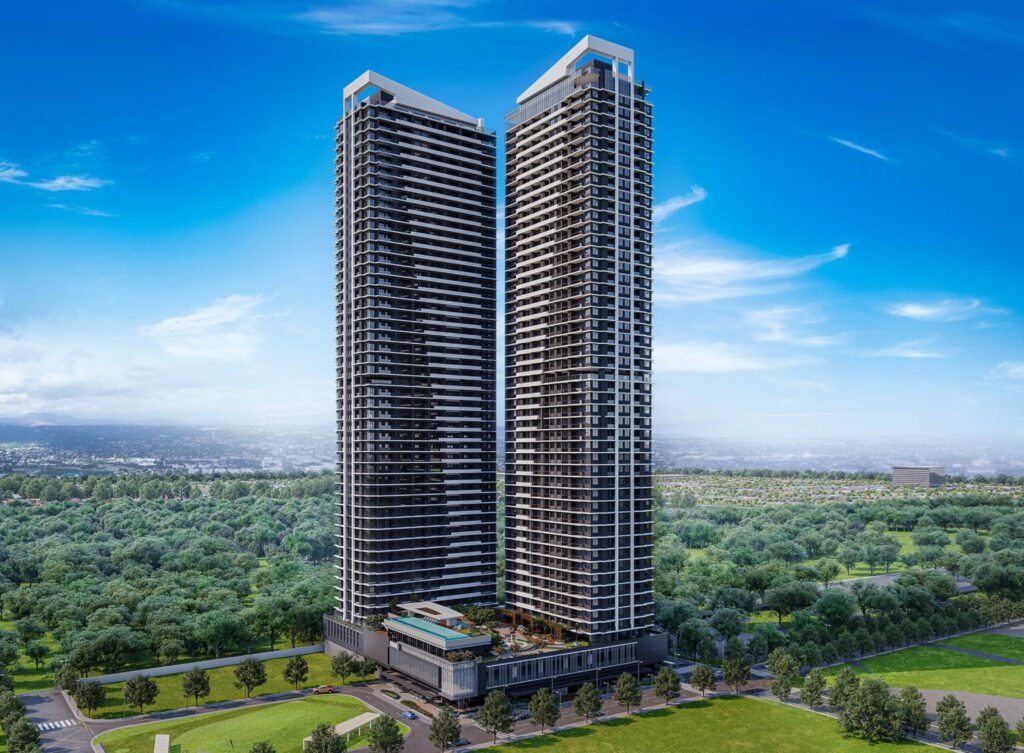

What makes Le pont feel different from the usual property talk
I’ll be honest, when I first heard about Le pont, I expected the same recycled real estate pitch. You know the type — premium, exclusive, words that don’t mean much anymore. But the more I dug into it, the more it felt… quieter. Not flashy in a loud way. Almost like that café in a side street that’s always full but never advertises. People online don’t hype it aggressively, but they do talk about it in comments and threads, usually with a this one might age well tone. That kind of sentiment is rare these days, especially when everyone’s chasing quick flips.
Why the location conversation actually matters here
Location is one of those things everyone repeats without thinking, like a finance mantra. But with Le pont, it’s not just about being central or accessible. It’s more like choosing where to sit in a cinema — same movie, different experience depending on the seat. I saw a few discussions on forums where people compared commute stress levels rather than just distance, which felt refreshingly real. Lesser-known stat I came across: buyers tend to underestimate daily travel fatigue by almost 30% when choosing property. That’s huge, and this project seems designed by people who actually leave the house daily.
How pricing here feels more like pacing than pressure
This part surprised me. Instead of the usual rush-rush-buy-now energy, Le pont comes across like it’s paced. Think of it like running a long-distance race instead of sprinting. From a financial point of view, that matters. When pricing feels paced, you’re less likely to make panic decisions. I remember rushing into a great deal years ago because Twitter was buzzing about it — bad idea. Online chatter around Le pont feels calmer, almost boring, which is usually a good sign financially. Boring often means stable, and stable doesn’t keep influencers interested.
Design choices that quietly affect daily life
Design is easy to judge from photos, but living with it is another story. What stood out for me is how people talk about small, boring things — airflow, light angles, storage corners. Those don’t trend on social media, but they matter more than statement walls. There’s a niche stat in housing studies that says residents complain 40% less when natural light is planned properly. I saw someone casually mention how their mornings feel less rushed because of how space flows. That’s the stuff brochures never explain properly.
The long-term value angle nobody likes to talk about
Everyone wants appreciation, but nobody likes waiting. With Le pont, the conversation isn’t about overnight gains. It’s more like planting a tree instead of buying flowers. A bit unsexy, yeah. But scrolling through comment sections, you’ll notice people saying things like this one’s for five to ten years. That mindset usually filters out impulsive buyers, which helps long-term value. From experience, communities built by patient buyers tend to age better. Less noise, fewer forced sales, more organic growth. It’s not exciting, but neither is losing sleep over EMI stress.
So who does Le pont actually make sense for?
Not everyone. And that’s probably the point. If you’re chasing quick returns or Instagram clout, this might feel slow. But if you’re the type who values consistency — like preferring a reliable old playlist over viral reels — then Le pont makes sense. I’ve learned the hard way that good financial decisions often feel a little boring at first. The online sentiment around this project feels grounded, not desperate. And honestly, in today’s market, that’s refreshing. Sometimes the smartest move is the one nobody’s yelling about.