
Introduction
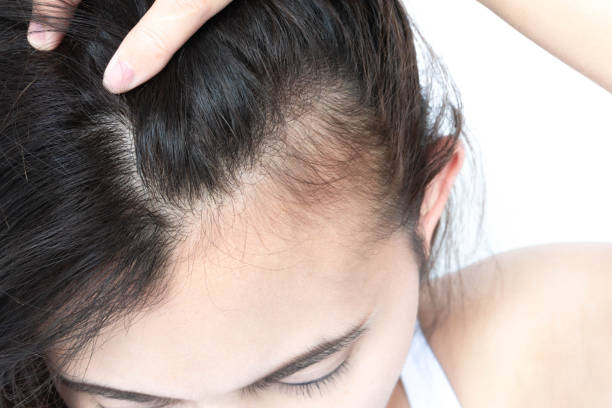
Hair loss is a common problem that affects millions of individuals worldwide, regardless of age or gender. A few hairs falling out each day is normal, but excessive thinning or shedding might be a sign of a health problem. Understanding the various types of hair loss is necessary for effective management and therapy. Since hair loss may impact a person’s confidence, mental health, and sense of self, awareness is crucial.
Patterns of androgenetic alopecia, or baldness, in men and women
One of the most common forms of hair loss is androgenetic alopecia, also referred to as male or female pattern baldness. This disease, which is typically hereditary, worsens with time. Men frequently start with a receding hairline and thinning at the crown, but women may have widespread thinning over the scalp. One important hormonal factor in this type of hair loss is dihydrotestosterone (DHT).
Telogen Effluvium
Stress, illness, or changes in hormones can often trigger telogen effluvium, a temporary hair loss condition. Because many hair follicles prematurely enter the resting (telogen) phase, this disease results in apparent shedding. Unlike androgenetic alopecia, telogen effluvium is frequently treatable if the underlying cause is addressed. Common causes include significant stress, childbirth, surgery, and nutritional deficiencies.
Alopecia Areata
Alopecia areata is an autoimmune disease that causes small, round patches of hair loss on the scalp or other areas of the body. Hair development is halted when the immune system mistakenly attacks hair follicles. Although genetics and immune system disorders are important contributors, the exact etiology is yet unclear. In certain circumstances, hair may regrow on its own, although treatment may be necessary to manage recurring episodes.
Traction of Alopecia
Traction alopecia can be brought on by certain hairstyles, such as tight braids, ponytails, or extensions, which put stress on the hair shafts over time. This type of hair loss is preventable and often curable with early treatment. Given that chronic stress can cause irreversible damage to hair follicles, early identification and a change in hair care habits are crucial.
Scarring from alopecia
Scarring alopecia, also known as cicatricial alopecia, is a less common kind of hair loss that happens when inflammation destroys hair follicles, causing irreversible hair loss. It can be caused by infections, skin conditions, or autoimmune illnesses. The aim of therapy is to reduce inflammation and prevent further hair loss, even though affected areas usually show minimal regrowth.
Nutritional and Lifestyle Factors
Inadequate nutrition, nutritional shortages, excessive stress, and some medications can also result in hair loss. Eating a healthy diet, managing stress, and staying away from harsh hair treatments can all help prevent hair loss. Sometimes, little lifestyle adjustments can have a significant effect on hair health and density.
To sum up
Hair loss can result from a variety of diseases, each with its own causes and trends. Understanding the kind of hair loss—which can range from hereditary problems like androgenetic alopecia to temporary conditions like telogen effluvium—is essential to effective treatment. Early identification, proper hair care, and medical guidance can reduce hair loss and promote healthy hair growth. People are better able to take preventative action for their hair’s health when they are aware of hair loss.