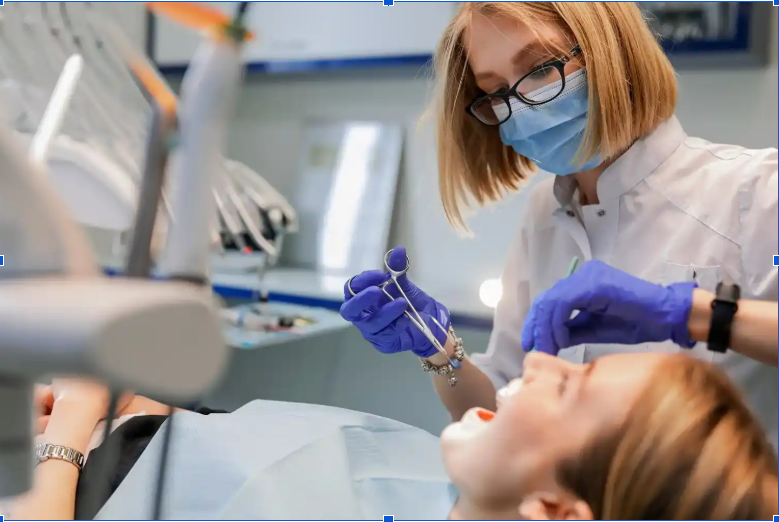

Replacing missing teeth does not always require the same type of implant treatment. For some patients, mini dental implants can provide a more straightforward approach, particularly when a smaller implant design is appropriate for their individual needs. Their narrower structure can make the treatment less invasive in certain situations, while still providing support for a dental restoration.
For anyone considering tooth replacement, the most suitable option depends on factors such as bone condition, the position of the missing tooth and overall oral health. A consultation with a dentist in Bracknell can help determine whether mini implants are appropriate and what the treatment process would involve.
What Are Mini Dental Implants?
Mini dental implants are smaller-diameter implants designed to support certain types of dental restorations. Like conventional implants, they are placed into the jawbone and can provide an anchoring point for a replacement tooth or denture.
Their compact size means they may be considered where conventional implants are not necessarily the preferred approach. However, they are not suitable for every patient or every missing tooth, so professional assessment remains important.
Why Can Mini Implants Be Less Invasive?
One of the main features of mini dental implants is their narrower design. Depending on the patient’s circumstances, this can allow the implant to be placed with less alteration to the surrounding bone than may be required for some conventional implant procedures.
This may make the treatment more straightforward in suitable cases. The exact approach will depend on the location of the missing tooth, available bone and the type of restoration being supported.
What Does the Treatment Involve?
Although the procedure can be simpler in some cases, mini implants still require careful planning. The dentist will first assess the condition of the teeth, gums and jawbone before deciding whether the treatment is appropriate.
The process may include:
- An examination of the mouth and remaining teeth
- Assessment of the available bone
- Planning the implant position
- Placement of the mini implant
- Attachment of an appropriate restoration
- Follow-up appointments to monitor healing
The treatment plan will vary according to the patient’s individual circumstances.
Who May Benefit From Mini Dental Implants?
Mini implants can be considered for selected patients who need support for a dental restoration but may benefit from a smaller implant design. They can sometimes be used to stabilise dentures, helping reduce unwanted movement during everyday activities.
However, suitability cannot be determined simply by the number of missing teeth. Factors such as bone quality, gum health, bite forces and the type of restoration required all need to be considered.
How Do Mini Dental Implants Compare With Conventional Implants?
Both options are designed to provide stability within the jaw, but they differ in size and the situations in which they may be used.
| Feature | Mini Dental Implants | Conventional Implants |
| Implant size | Narrower | Larger diameter |
| Treatment approach | May be less invasive in suitable cases | May involve more extensive preparation |
| Common use | Selected restorations and denture stabilisation | Wider range of tooth replacement situations |
| Suitability | Depends on individual needs | Depends on bone, gums and overall oral health |
The dentist will recommend an approach based on clinical requirements rather than simply choosing the smaller option.
What Are the Potential Benefits?
For suitable patients, mini dental implants may offer several practical advantages. Their smaller size can contribute to a less invasive treatment approach, while the procedure may also involve a shorter or simpler treatment process in certain circumstances.
Potential benefits can include:
- A less invasive placement procedure in appropriate cases
- Support for removable dentures
- Improved denture stability
- A smaller implant profile
- Potentially simpler treatment planning
These benefits should always be considered alongside the patient’s individual clinical needs.
Why Is Professional Assessment Important?
Even though mini implants may appear to be a simpler solution, careful assessment is still essential. The implant needs to be positioned correctly and supported by healthy surrounding tissues.
A dentist in Bracknell can examine the condition of the mouth and discuss whether mini dental implants are appropriate. Where another type of implant or restoration would provide a more suitable long-term solution, this can also be discussed during the consultation.
Looking After Mini Dental Implants
Good oral hygiene remains important after implant treatment. Patients should follow the cleaning instructions provided by their dental team and attend regular examinations so the implant and surrounding tissues can be monitored.
Daily brushing, cleaning between the teeth and maintaining healthy gums can all contribute to keeping the area in good condition. Regular professional care is equally important, particularly when an implant is supporting a denture or other restoration.
Final Thoughts
Mini dental implants can provide a less invasive alternative for selected patients who need support for a dental restoration. Their narrower design and potential for a simpler placement procedure make them worth discussing during a professional consultation. However, they are not suitable for everyone, and treatment should always be based on individual clinical needs. For patients considering mini dental implants, Perfect Smile can provide clearer guidance on available options and the most appropriate approach for replacing or stabilising missing teeth.