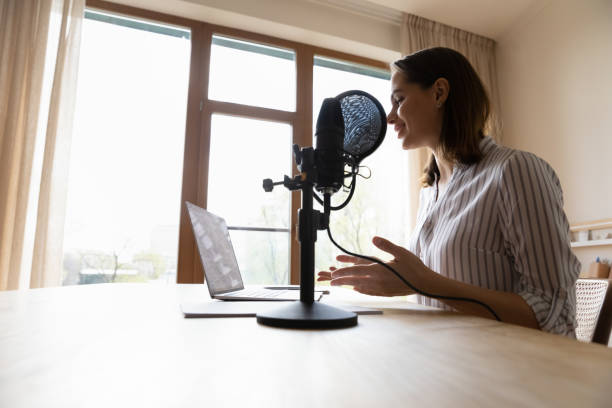

Introduction: Why I Even Started Thinking About Online Lessons
Honestly, the first time I heard someone talk about Online vocal training, I imagined some robotic voice telling me when to breathe and when not to squeak. But after seeing half of Instagram reels filled with before & after vocal glow-ups, I got curious. And surprisingly, the whole online setup feels way more convenient than waiting for a music teacher stuck in traffic. Plus, no judgement if you crack on a high note — just close the laptop and pretend it never happened.
How Online Vocal Training Fits Into Real Life (Especially If You’re Lazy Like Me)
One thing I love is that you can literally learn from bed. Or the kitchen. Or while pretending to work from home. The flexibility is unmatched. Traditional classes feel like going to the gym — great, but too much effort. Online, you just pop open your screen and suddenly you’re learning riffs like you’re auditioning for Indian Idol. It’s also nice that teachers online don’t give you that intense why didn’t you practice? stare. They can’t. They’re pixels.
Why Beginners Actually Learn Faster Online
It sounds weird, but beginners often improve quicker online. Mostly because you can replay lessons a million times without feeling dumb. If you try doing that with a real teacher, they’ll either laugh or judge your memory. Online classes also use visuals — little pitch bars, colourful scales — so it feels like playing a mobile game where you unlock new skills instead of levels. And trust me, hitting your first clean high note is way better than unlocking Level 5 in Candy Crush.
The Hidden Benefit No One Talks About: Less Stage Fright
There’s something about singing alone in your room that makes you more fearless. You aren’t standing in front of a class where everyone pretends they’re not listening but secretly they’re absolutely listening. Online training gives you that warm-up zone where your voice becomes yours before you let the world hear it. A small Reddit thread once joked that online singers get 30% braver — obviously not scientifically proven, but honestly feels true.
Online Vocal Training Tools Are Low-Key Genius
Some apps can literally detect if you’re going off-key by half a hair. It’s wild. Like having a tiny, slightly rude but helpful coach sitting on your shoulder. Social media singers swear by these tools because you can see visual feedback instantly instead of guessing. It’s that satisfying moment when the little pitch line finally turns green, like Yes, finally, my voice is doing what I told it to do.
Online Training Teachers Have a Whole Different Vibe
Teachers you meet online feel more chill. Maybe because they know you can close the tab any moment and disappear forever. They focus more on making things fun — using pop songs, trending reels, even viral TikTok tracks to teach techniques. Once a teacher told me to sing the line like you’re telling your crush a secret, and weirdly, it worked. Can’t imagine a strict classical teacher saying that in person.
It Helps You Choose Songs That Actually Suit You
This is where online training is a blessing. Most platforms teach you how to understand your vocal range, and they even suggest songs that fit your style. There’s a whole guide here too — check the link hidden inside Online vocal training above — which breaks down how to pick the right songs without torturing your vocal cords. Think of it like picking the right shoe size: too small, you suffer; too big, you flop.
Final Thoughts That Aren’t Really Final Thoughts
All I know is that online vocal training made singing feel fun again instead of a school assignment. You learn faster, you experiment more, and you avoid embarrassing yourself in front of strangers. And honestly, in this chaotic world, anything that makes improvement feel easy is kind of a blessing. Just don’t expect miracles overnight — unless your neighbours think you sound like one at 11 PM, which is close enough.